
In most cases, yes, you can drive after a root canal. The main exceptions are when you received sedation that affects alertness, feel dizzy or weak, or have pain or swelling that makes it hard to focus safely.
A root canal treatment treats infection or inflammation inside a tooth. If you're not sure what signs may point to infection, read our guide to an infected tooth. During treatment, the dentist removes damaged pulp, cleans the inside of the tooth, and seals the space.
Winwood Dental offers root canal treatment in Lebanon, TN and provides the kind of care described here.
The biggest factor is whether your appointment involved local anesthetic only or included sedation. Local numbing medicine numbs the treatment area and, by itself, does not usually affect thinking, coordination, or reaction time.
If you had nitrous oxide, oral sedation, or IV sedation, the answer may be different. Some forms wear off quickly, while others can leave you drowsy or slow your reflexes for hours.
How you feel after the procedure also matters. If the tooth was badly infected beforehand, you may still feel tired or uncomfortable even after treatment is complete.
Most patients can drive home after a root canal if they only had local numbing medicine. A numb lip, cheek, or tongue may feel strange, but it does not usually make driving unsafe.
Still, some people feel shaky after a long appointment. This is more likely if you skipped a meal, were very anxious, or had significant pain before treatment.
If you feel lightheaded, unfocused, or unusually tired, it is better to wait or arrange a ride. Also, avoid chewing until the numbness wears off so you do not accidentally bite your lip, cheek, or tongue.
If your root canal involved sedation dentistry, do not plan to drive yourself home. These medications can affect alertness, memory, balance, and judgment even if you feel mostly awake.
Nitrous oxide may wear off faster than oral or IV sedation, but driving safety still depends on how fully you recover and your dentist’s instructions. Follow the office guidance rather than assuming you are fine to drive.
Even mild grogginess can make driving a poor choice, especially in traffic, bad weather, or on a longer trip home.
Some tenderness for a few days is common after a root canal. The area around the tooth may feel bruised or sensitive when you bite because the tissues near the root were already inflamed or became irritated during treatment.
You may also notice jaw soreness from keeping your mouth open for a long time. This can be more noticeable after treatment on a back tooth.
What is less typical is severe pain that keeps getting worse, obvious facial swelling, fever, trouble swallowing, or a bad taste with drainage. These signs may suggest ongoing infection or another complication and should prompt a call to the dental office.
It is smart to arrange a ride if the appointment is expected to be long, the tooth is severely infected, or you already feel unwell before treatment. The same is true if dental visits trigger strong anxiety, panic symptoms, or vasovagal episodes.
A ride is also a good idea if you have a long drive home, heavy traffic, or an appointment late in the day when you are likely to be tired. Planning ahead is often the safest choice.
If a temporary crown or filling was placed, you can usually still travel home normally. Just avoid chewing on that side during the drive.
After a root canal, the tooth may feel sensitive for several days, especially when biting. This usually improves steadily rather than disappearing all at once.
Some teeth need a permanent restoration afterward to protect the remaining tooth structure. Many patients receive dental crowns after a root canal to restore strength, shape, and appearance.
Until that final restoration is completed, the tooth may be more likely to crack, especially if it was already weakened by a large cavity or old filling. If your dentist gave you specific aftercare instructions, follow those closely.
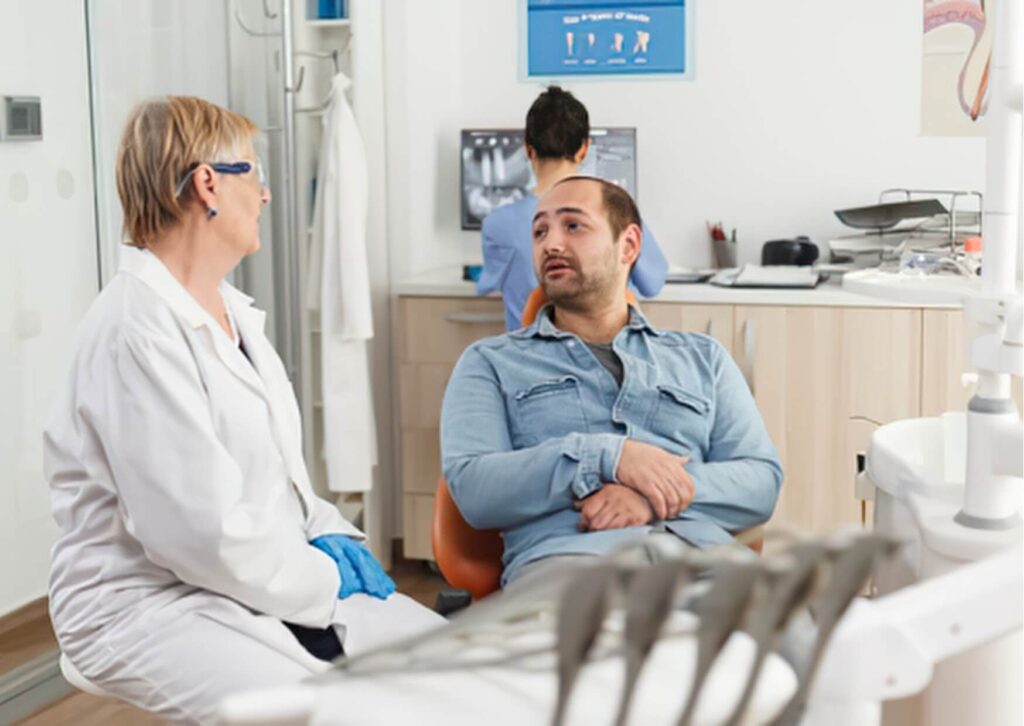
Call your dentist if pain is not improving after a few days, if swelling develops or gets worse, or if your bite feels uneven after treatment. A high bite means the treated tooth is hitting before the others, which can make it feel much more painful than expected.
You should also contact the office if numbness lasts much longer than expected, if a temporary filling comes out, or if the tooth cracks. These problems do not always mean an emergency, but they should be checked.
Seek urgent care promptly for trouble breathing, trouble swallowing, rapidly spreading swelling, or fever with worsening dental pain. Those symptoms can point to a more serious infection that should not wait. If symptoms are getting worse after a root canal, consider seeking emergency dentistry care.
If you are not sure whether you can drive after a root canal, ask the dental office before the appointment what type of anesthesia or sedation is planned. That usually gives you the clearest answer.
It also helps to eat beforehand if the office allows it, bring a list of medications, and leave extra time in case the procedure runs long. If there is any chance sedation will be used, or you tend to feel unwell after dental treatment, arrange a ride in advance.
That simple step removes pressure and lets you focus on recovery instead of making a last-minute decision about driving.
If you need root canal treatment in Lebanon or nearby Mount Juliet, call Winwood Dental at (615) 434-8780 to schedule an appointment.
Usually yes, if you only had local anesthetic and feel normal afterward. If you had sedation, feel dizzy, or are in significant pain, you should not drive yourself.
There is no single wait time for everyone. If only local anesthetic was used, many people can drive soon after the visit. If sedation was used, wait until your dentist says it is safe and the effects have fully worn off.
Local numbing medicine alone usually does not impair driving. It can make your mouth, lips, or tongue feel heavy or awkward, but it should not affect judgment or coordination.
Yes, some fatigue is common, especially after a long appointment, poor sleep, anxiety, or significant infection-related pain before treatment. If tiredness is pronounced or comes with dizziness, arrange a ride instead of driving.
Mild to moderate soreness can be normal for a few days. Pain that becomes more intense, swelling, fever, drainage, or trouble swallowing should be reported to a dentist promptly.
Seek urgent care promptly for trouble breathing, trouble swallowing, rapidly spreading swelling, or fever with worsening dental pain. Those symptoms can point to a more serious infection that should not wait. If you experience rapidly worsening symptoms after a root canal, consider seeking emergency dentistry care.