
Tooth bonding usually costs about $300 to $600 per tooth in the United States, though the fee can be lower or higher. The final price depends on how many teeth are treated, how much reshaping is needed, local dental fees, and whether the procedure is considered restorative or cosmetic.
If you're weighing repair options for a chipped, discolored, or uneven front tooth, tooth bonding can often restore appearance with minimal enamel removal. Winwood Dental in Lebanon, TN matches resin shades and provides conservative, same-day treatment so results look natural and recovery is quick.
Dental bonding, also called composite bonding, uses tooth-colored resin to repair or reshape part of a tooth. It is often used for small chips, minor gaps, discoloration, short teeth, uneven edges, or limited areas of damage.
A small edge repair usually costs less than bonding a larger visible portion of a front tooth. More material, more shaping, and more chair time usually mean a higher fee.
If several teeth are treated, the total cost rises, though some offices price multi-tooth cases differently. An exam and X-rays may also add to the cost if the tooth needs to be checked for decay, cracks, trauma, or an old failing filling first.
The biggest cost factors are the size of the repair, the tooth location, and the level of cosmetic detail needed. Front teeth often take more time because the resin must be carefully matched, shaped, and polished to blend with nearby teeth.
Other factors that may affect cost include:
A very low quote may not include the exam, imaging, or follow-up adjustments. Ask for a written estimate that lists each tooth and any separate charges.
Bonding is usually one of the least invasive cosmetic options because little or no healthy enamel may need to be removed. It is often completed in one visit, but composite resin is more likely than porcelain to stain, chip, or wear over time.
For a deeper comparison, see bonding vs. veneers.
|
Treatment |
Common Use |
Tooth Preparation |
Typical Longevity |
|---|---|---|---|
|
Composite bonding |
Small chips, gaps, shape or color changes |
Minimal or none |
Often 3 to 10 years |
|
Broader cosmetic changes on a front surface |
Some enamel removal is often needed |
Often 10 to 15 years or longer |
|
|
Major structural damage or extensive restoration |
Tooth must be reshaped |
Often 10 to 15 years or longer |
These timelines are general estimates, not guarantees. Bite forces, oral habits, diet, material, placement quality, and home care all affect how long a restoration lasts, and how long bonding lasts can vary widely from person to person.
Insurance may help pay when bonding repairs decay, trauma, or another functional problem. Purely cosmetic bonding is often not covered, and plans may still apply deductibles, annual maximums, waiting periods, or replacement limits.
Before treatment, ask the office to submit a pre-treatment estimate if that option is available. It does not guarantee payment, but it can give you a clearer idea of your expected benefit and out-of-pocket cost.
Health savings accounts and flexible spending accounts may help with eligible restorative dental expenses, depending on the reason for treatment and current tax rules. Financing can also spread out payments, but review interest, fees, and deferred-interest terms carefully.
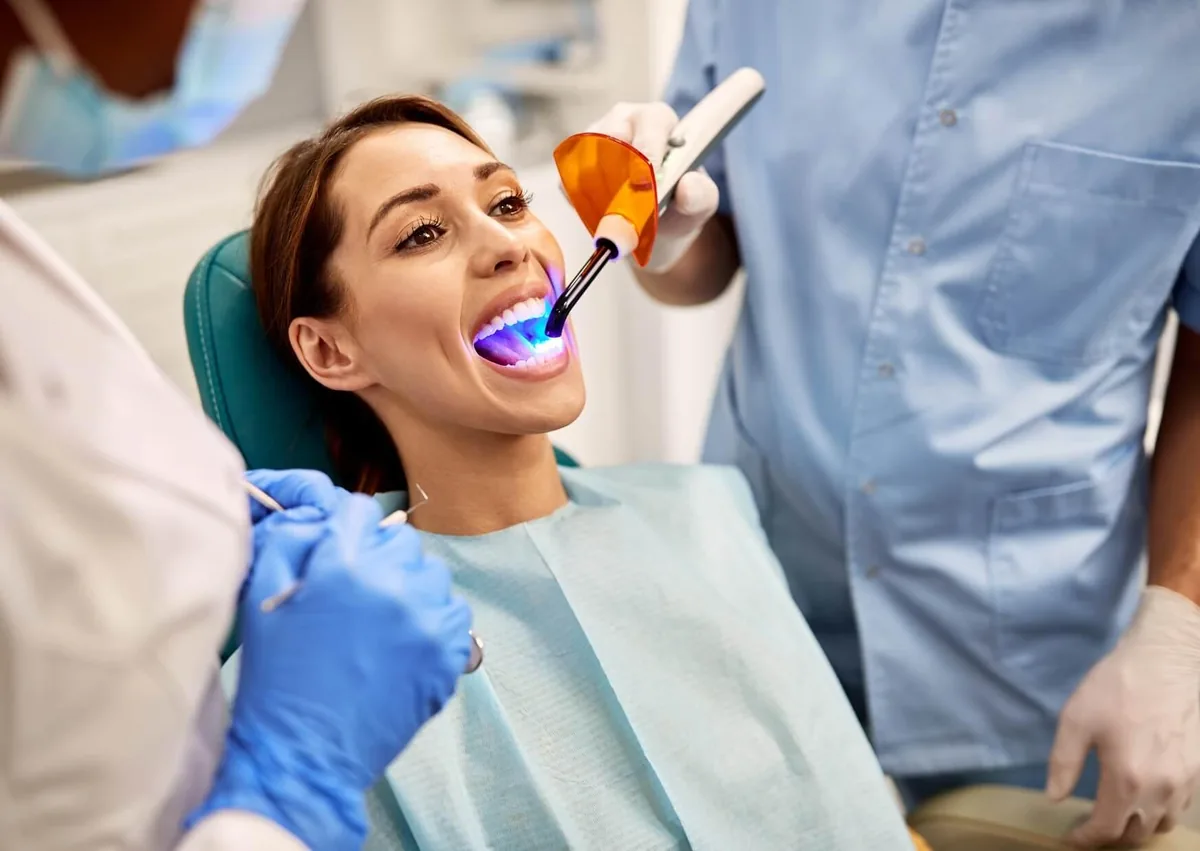
The dentist selects a resin shade, lightly prepares the tooth surface, applies the material, hardens it with a curing light, and then shapes and polishes it. Numbing may not be needed unless decay is being removed or the area is sensitive.
Bonding one tooth often takes about 30 to 60 minutes. More complex repairs or treatment on several teeth can take longer.
Mild sensitivity or bite awareness can happen afterward. If discomfort continues, the bonded area may need to be checked and adjusted.
Brush twice a day with fluoride toothpaste, clean between your teeth daily, and keep regular dental visits. Resin can pick up surface stains, so limiting tobacco and frequent exposure to coffee, tea, red wine, and other dark pigments may help it stay brighter.
Avoid chewing ice, biting fingernails, opening packages with your teeth, or biting hard objects with bonded teeth. If you clench or grind, a dentist may recommend a night guard; see nightguards for grinding.
If grinding is already damaging your teeth, learn more about how to fix grinded teeth. Bonding also cannot be whitened like natural enamel, so if you are thinking about whitening, ask your dentist about the best order for treatment.
A cosmetic consultation can confirm whether bonding is a good option and provide a personalized estimate. A dentist should first check for decay, gum disease, enamel loss, a deep crack, or bite problems that could shorten the life of the repair.
Seek prompt dental care if the tooth is painful, increasingly sensitive, loose, sharply fractured, or recently injured. Facial swelling, fever, uncontrolled bleeding, trouble swallowing, or trouble breathing needs urgent evaluation, and breathing or swallowing trouble warrants emergency care.
Choosing treatment based on an exam, not price alone, helps avoid bonding a tooth that actually needs a stronger or different restoration. A written estimate and a clear discussion of maintenance can make the cost easier to judge.
To get a personalized cost estimate and determine whether bonding or an alternative is best, arrange a brief cosmetic consultation. Winwood Dental offers tooth bonding in Lebanon, TN and serves nearby Gladeville and Watertown; call (615) 434-8780 or schedule an appointment online.
Bonding one front tooth often costs about $300 to $600, but the fee may be lower or higher depending on the size of the repair and the cosmetic detail involved. An exam is the best way to get an accurate estimate.
No. Bonding is durable, but it can eventually stain, chip, wear down, or separate from the tooth and may need polishing, repair, or replacement.
Bonding usually has a lower upfront cost than porcelain veneers and often requires less enamel removal. Veneers may last longer and resist stains better, so the better value depends on your goals and the condition of the tooth.
No. Bonding often works well for small chips, but a large fracture, deep crack, extensive decay, or heavily stressed tooth may need a different restoration. If the tooth is painful or was recently injured, it should be evaluated before cosmetic repair.