
To remove plaque from teeth, brush twice a day with fluoride toothpaste and clean between your teeth once a day with floss or another interdental cleaner. Soft plaque can usually be removed at home, but hardened plaque, called tartar or calculus, needs professional dental cleanings.
If hardened plaque or persistent tartar is keeping you from restoring gum health or relieving irritation, a professional dental cleaning and comprehensive exam can identify and remove deposits safely. Winwood Dental in Lebanon, TN offers thorough cleanings and tailored exam recommendations to protect teeth and gums and guide your next steps.
Plaque is a sticky film of bacteria that forms on teeth and along the gumline throughout the day. These bacteria feed on sugars and starches and produce acids that can raise the risk of cavities and gum irritation; you can learn more about what cavities look like.
Brush for two minutes twice a day with a soft-bristled manual or electric toothbrush. Angle the bristles toward the gumline at about 45 degrees and use gentle circular motions on the front, back, and chewing surfaces of each tooth.
Use fluoride toothpaste to help strengthen enamel and lower the risk of decay. After brushing, spit out the excess toothpaste instead of rinsing hard so more fluoride stays on the teeth.
Do not scrub aggressively. Brushing harder does not remove plaque better, and it can irritate gums or wear tooth surfaces over time.
Replace your toothbrush or brush head about every three to four months, or sooner if the bristles look frayed. Worn bristles clean less effectively, especially near the gumline.
A toothbrush cannot fully clean the tight spaces between teeth. Clean between teeth once a day with floss, a floss holder, an interdental brush, or a water flosser.
With string floss, guide the floss gently between two teeth and curve it into a C shape against one tooth. Move it up and down along the side of the tooth and slightly under the gumline, then repeat on the neighboring tooth.
|
Cleaning Tool |
Often Useful For |
Key Point |
|---|---|---|
|
String floss |
Tight spaces between teeth |
Curve it against each tooth surface |
|
Wider spaces, braces, or some dental work |
Use a size that fits without force |
|
|
Water flosser |
Braces, bridges, implants, or limited dexterity |
Aim along the gumline and between teeth |
|
Floss holder |
People who find string floss difficult to handle |
Use gentle, controlled movements |
The best tool is the one you can use safely and consistently. A dentist or hygienist can help you choose the right option if you have braces, bridges, crowns, or implants.
Plaque starts forming again soon after you clean your teeth, which is why daily removal matters. It often collects along the gumline, between crowded teeth, around braces, and next to fillings, crowns, or other restorations.
If plaque stays on the teeth, minerals in saliva can harden it into tartar. This rough deposit makes it easier for more plaque to stick and cannot be removed safely with brushing or flossing alone.
Early gum inflammation, called gingivitis, can cause redness, swelling, tenderness, bad breath, or bleeding when you brush or floss. Without treatment, gingivitis can progress to periodontitis, which affects the tissues and bone that support the teeth.
Do not scrape your teeth with fingernails, metal tools, pins, or other sharp objects. Home scraping can cut the gums, scratch enamel, damage dental work, or push buildup farther under the gumline.
Avoid using lemon juice, vinegar, or abrasive powders on your teeth. These methods can wear down or soften enamel without removing plaque safely.
Mouthwash may help reduce bacteria for some people, but it does not replace brushing and cleaning between the teeth. If you have ongoing symptoms or dry mouth, ask a dental professional before relying on a medicated rinse.
Brush in the same order each time so you do not miss surfaces. Pay extra attention to the gumline and the back teeth, where plaque often collects.
A plaque-disclosing product can highlight areas you are missing and help improve your technique. Follow the directions carefully, since it may temporarily stain soft tissues or some dental work.
Try to limit frequent sipping or snacking on sugary and starchy foods. Repeated exposure gives plaque bacteria more chances to produce acid.
Drinking fluoridated tap water when available and keeping regular visits with a general dentistry or family dentistry provider can support cavity prevention. These visits also help catch tartar buildup and gum problems early.
Some bleeding may happen when inflamed gums are cleaned more thoroughly for the first time. If bleeding, swelling, pain, or bad breath continues, arrange a dental evaluation.
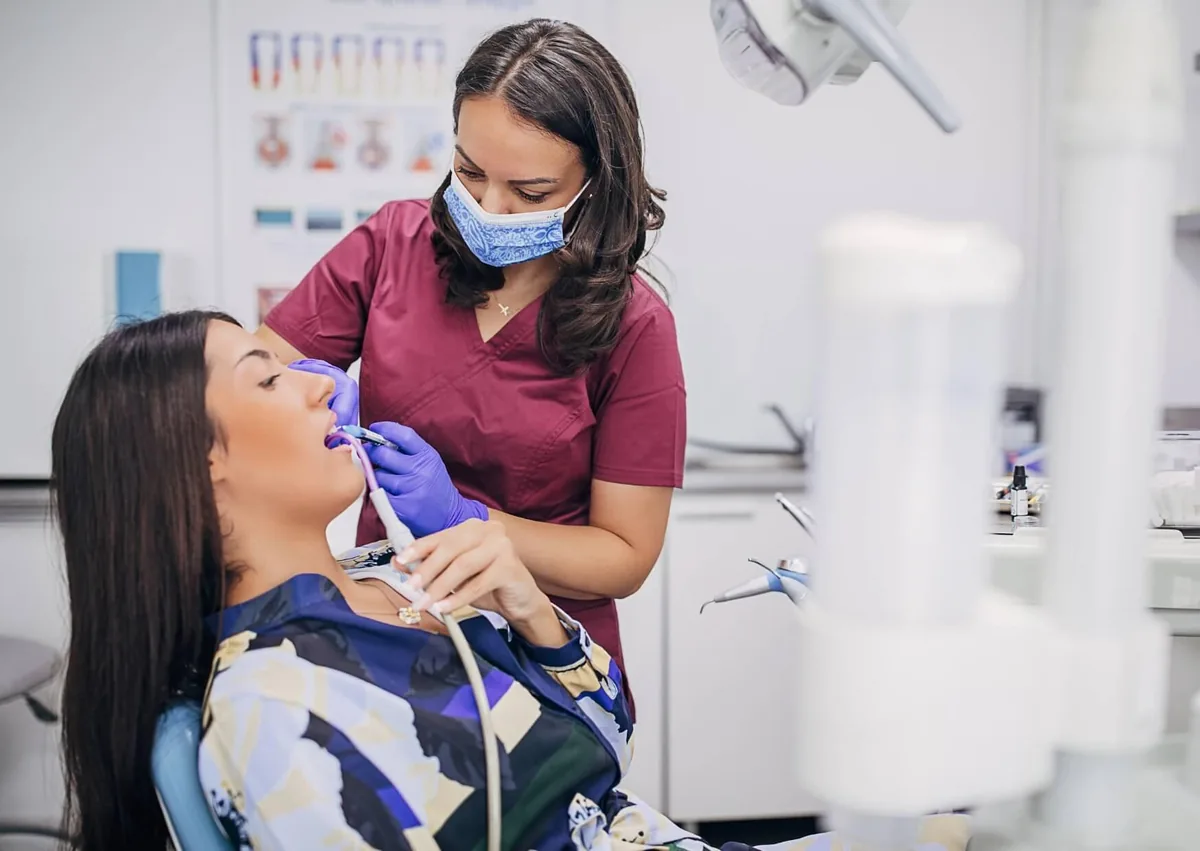
Schedule a dental visit if you feel rough, hard deposits that do not brush away. You should also be seen if you notice bleeding gums, swelling, gum recession, tooth sensitivity, persistent bad breath, or loose teeth.
A dentist or hygienist can tell the difference between soft plaque and hardened tartar. Professional dental cleanings remove tartar with instruments designed for use on tooth and root surfaces.
Seek prompt dental care if you have worsening pain, facial or gum swelling, pus, fever, trouble opening your mouth, or a bad taste along with swelling. If you think you may have an infected tooth, do not wait to be evaluated.
Seek urgent medical help right away if swelling affects breathing or swallowing.
The type of cleaning and how often you need visits depends on your gum health, the amount of buildup present, your medical history, and other risk factors. Your dentist can recommend the safest plan for your situation.
If tartar cannot be removed at home or you have persistent bleeding, swelling, or sensitivity, arrange a professional cleaning and exam to prevent progression and address any concerns promptly.
Call Winwood Dental for dental cleanings and comprehensive exams in Lebanon, TN and nearby Gladeville or Watertown, TN, or schedule an appointment at (615) 434-8780.
Soft plaque can usually be disrupted with good brushing and daily interdental cleaning. Tartar cannot be removed safely at home and requires professional care.
The timing varies based on saliva, oral hygiene, tooth position, and other factors. Plaque may begin hardening relatively quickly, so daily cleaning is more effective than waiting until buildup is visible.
Both electric and manual toothbrushes can remove plaque when used thoroughly. An electric toothbrush may make consistent cleaning easier for people with braces, limited dexterity, or trouble controlling brushing pressure.
Bleeding often means plaque has inflamed the gums, though brushing or flossing too aggressively can also cause irritation. If bleeding is frequent, heavy, worsening, or does not improve with gentle daily cleaning, schedule a dental evaluation.