
Smile makeover before-and-after results can include whiter teeth, repaired chips, more even spacing, better tooth proportions, and a healthier-looking gumline. The exact outcome depends on your oral health, tooth structure, bite, treatment choices, and long-term maintenance, so photos are best used as examples rather than guarantees.
If you're deciding between whitening, veneers, or orthodontics to address stains, chips, or spacing, a smile makeover helps define which combination best meets your goals while protecting tooth structure. Winwood Dental in Lebanon, TN provides personalized cosmetic planning and previews that balance appearance with lasting oral health.
A smile makeover is a personalized combination of cosmetic and restorative treatments. It may include teeth whitening, bonding, dental veneers, crowns, orthodontic treatment such as Invisalign, implants, or gum contouring.
Before-and-after photos can show changes in color, shape, alignment, and symmetry. For a fair comparison, the images should use similar lighting, angles, facial expression, and image quality.
Photos also have limits. They do not fully show bite function, gum health, tooth sensitivity, how much enamel was altered, or how the work performs over time.
A smile makeover may help with stains that do not respond well to whitening, worn or chipped edges, small gaps, uneven teeth, misshapen teeth, or visible older dental work. Some treatment plans also replace missing teeth or reshape excess gum tissue when appropriate.
The cause of the cosmetic concern matters. A dark tooth may reflect past trauma or disease rather than surface staining, while short teeth may be related to grinding, acid erosion, or bite problems.
Active decay and gum disease should be treated first. Cosmetic treatment placed over unhealthy teeth or inflamed gums can lead to pain, poor appearance, restoration failure, or more complex treatment later.
Different treatments solve different problems, and more treatment is not always better. The goal is usually to preserve as much healthy tooth structure as possible while creating a stable, natural-looking result.
|
Treatment |
Commonly Addresses |
Important Limitation |
|---|---|---|
|
General yellowing or surface stains |
Does not lighten crowns, veneers, or fillings |
|
|
Dental bonding |
Small chips, gaps, or shape differences |
Can stain or chip and may need maintenance |
|
Color, shape, size, and minor alignment concerns |
Usually requires permanent tooth alteration |
|
|
Crowns |
Heavily damaged, weakened, or extensively restored teeth |
Requires substantial tooth preparation |
|
Orthodontic treatment |
Crowding, spacing, and some bite problems |
Often takes months or longer |
|
Gum contouring |
Uneven or excessive visible gum tissue |
Suitability depends on gum and bone anatomy |
|
Implant-supported restorations |
One or more missing teeth |
Requires adequate health and healing time |
Whitening or bonding may be enough for limited cosmetic concerns. If you're considering over-the-counter options, read about teeth whitening strips.
Veneers and crowns can create larger changes, but they are not interchangeable. For a direct comparison, see bonding vs. veneers.
When alignment is the main issue, orthodontic treatment may reduce or eliminate the need to reshape healthy teeth. Systems such as Invisalign can address spacing discreetly in many cases.
Complex cases may involve a general dentist and specialists such as an orthodontist, periodontist, endodontist, or oral surgeon. That team approach can improve both appearance and long-term function.
A proper evaluation usually includes the teeth, gums, bite, existing dental work, and jaw function. X-rays, photos, scans, or impressions may be recommended to find issues that a smile photo cannot show.
Tell the dentist about tooth sensitivity, jaw pain, grinding, past dental trauma, medical conditions, and any problems with older restorations. If helpful, bring a few reference images, but focus on specific preferences such as brightness, edge shape, or how much tooth shows when you smile.
For larger changes, a dentist may offer a digital preview, wax-up, or temporary trial smile. A preview is a planning tool, not a promise, because healing, gum response, tooth position, and material thickness can affect the final result.
Ask which procedures are reversible, how much healthy tooth structure may need to be removed, and what maintenance or replacement may eventually be needed. It is also reasonable to ask about alternatives, timing, total cost, and what follow-up care is included.
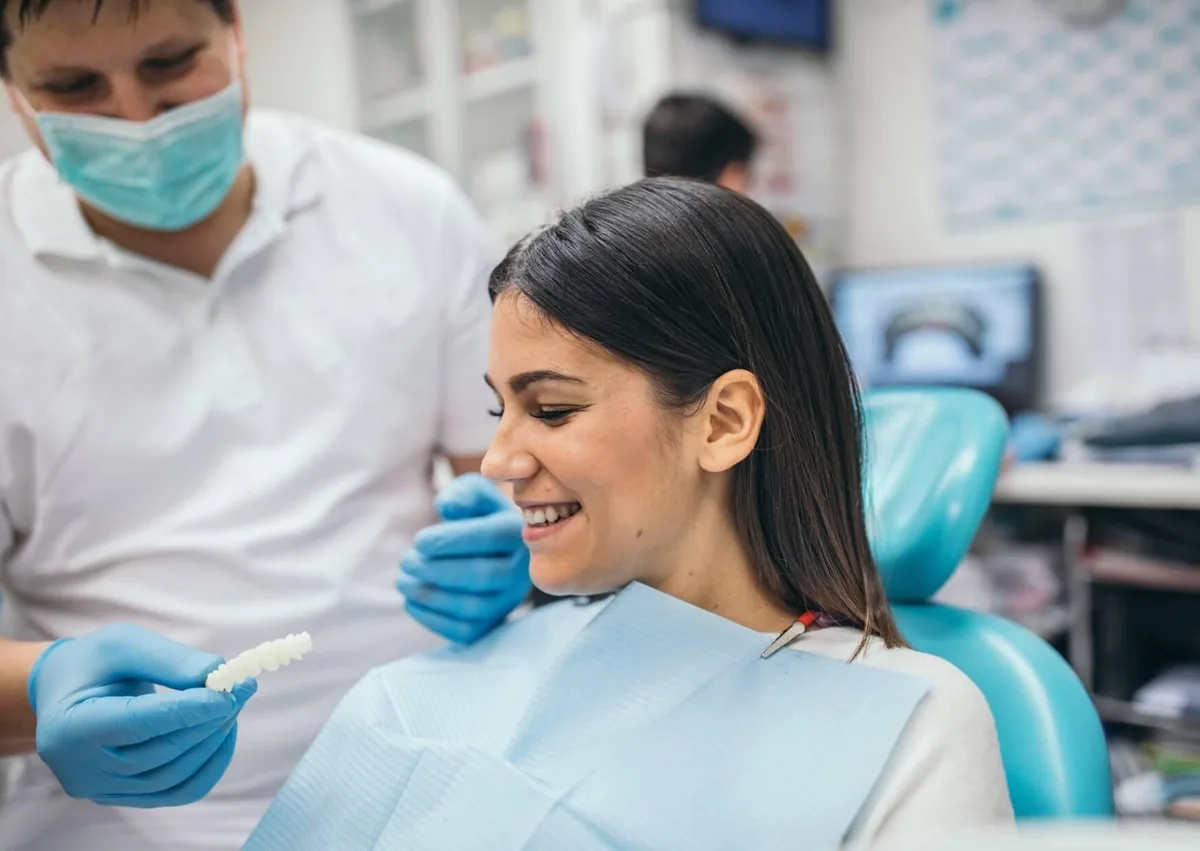
Treatment time can range from one or two visits for whitening or minor bonding to many months for orthodontics, implants, or gum procedures. Combination treatment is often completed in stages to keep the teeth, gums, and bite stable.
Some procedures can cause temporary sensitivity or gum tenderness. Veneers, crowns, and bonding may feel different at first, but ongoing pain, a bite that feels high, or trouble chewing should be checked rather than accepted as normal.
The most natural smiles usually are not perfectly identical. Slight variation in color, translucency, texture, and shape often makes the result look more realistic.
Brush twice a day with fluoride toothpaste, clean between the teeth daily, and keep regular dental visits. Professional cleanings and exams help catch decay, gum inflammation, loose restorations, and bite wear early.
Limit frequent exposure to tobacco, strongly staining drinks, and acidic foods or beverages. Avoid using your teeth to open packaging or bite hard objects, since that can chip natural teeth, bonding, veneers, and crowns.
A night guard may be recommended if clenching or grinding threatens the teeth or restorations. Whitening may need touch-ups, bonding may need polishing or repair, and veneers, crowns, implants, and other restorations should not be expected to last forever.
Schedule a dental evaluation before cosmetic treatment if teeth are loose, painful, very sensitive, cracked, or changing color. Bleeding or swollen gums, persistent bad breath, receding gums, jaw pain, and a changing bite also need attention.
Seek prompt care for facial swelling, fever with dental pain, pus or drainage, uncontrolled bleeding, or severe worsening pain. Trouble breathing or swallowing, rapidly spreading swelling, or major facial trauma requires urgent medical or emergency dental care.
A dentist can tell whether the change you want is mainly cosmetic or a sign of an underlying problem. A thorough exam also helps compare conservative options and set realistic expectations for appearance, comfort, longevity, and cost.
To explore a tailored plan and realistic before-and-after options, schedule a consultation to review treatment sequences, costs, and previews. Call Winwood Dental for a smile makeover consultation in Lebanon, TN near Gladeville and Watertown, TN at (615) 434-8780 to book a visit or request same-day availability.
Results can range from a subtle change in color or tooth edges to a broader improvement in alignment, proportions, and missing teeth. The safest level of change depends on oral health, anatomy, bite, and how much healthy tooth structure can be preserved.
Minor whitening or bonding may take only a few visits, while orthodontics, implants, and gum treatment can take several months or longer. Healing time and the order of procedures also affect the schedule.
No cosmetic dental result is guaranteed to be permanent. Natural teeth continue to age, and whitening, bonding, veneers, crowns, and implant restorations may need maintenance, repair, or replacement over time. For lifespan specifics, see how long veneers last.
No. Veneers may not be appropriate when there is active decay, gum disease, too little healthy enamel, severe grinding, or a bite problem that would overload them. Bonding, orthodontics, whitening, crowns, or no treatment may be safer in some situations. For more on indications and what to expect, see porcelain veneers.
Insurance often excludes treatment done only to improve appearance. It may provide partial coverage when a procedure is medically necessary to restore a damaged or missing tooth, but benefits and exclusions vary by plan.