A dry mouth usually means you do not have enough saliva to keep your mouth comfortably moist. It can happen temporarily from dehydration, stress, mouth breathing, or medication use, but ongoing dryness may need a dental exam or medical evaluation because it can raise the risk of cavities, gum problems, and oral infections, including an infected tooth.
If a dry mouth is making it hard to eat, sleep, or stay comfortable, a dental exam can check for saliva-related damage and early cavity risk. At Winwood Dental in Lebanon, TN, patients get practical guidance to protect teeth, gums, and oral tissues while the cause is being sorted out.
Dry mouth, also called xerostomia, is a symptom, not a disease. It happens when your salivary glands make less saliva or when moisture is lost faster, such as with mouth breathing.
Common causes include:
Do not stop a prescribed medication on your own. A dentist, physician, or pharmacist can review whether it may be contributing to dryness and whether a different option or timing change makes sense.
Dry mouth can feel sticky, cottony, or especially noticeable at night or when you wake up. You may need frequent sips of water to talk, eat dry foods, or swallow comfortably.
Other signs include cracked lips, a dry or grooved tongue, thick or stringy saliva, bad breath, altered taste, mouth sores, or a burning feeling. Dentures may also rub more or feel less stable when the tissues are dry.
Saliva helps neutralize acids, wash away food particles, and protect enamel. Ongoing dry mouth can increase the risk of tooth decay, especially near the gumline and on exposed roots, as well as gum irritation and oral thrush. If you are worried about early decay, learn more about cavity healing.
Sip plain water regularly and keep water nearby at night. Sugar-free gum or lozenges may help stimulate saliva if your salivary glands still work, and xylitol products can be a good option when used as directed.
Keep xylitol away from dogs because it is highly toxic to them. If dryness is worse during sleep, a bedroom humidifier may also help.
If you use CPAP, ask your prescribing clinician or equipment provider to check mask fit, air leaks, and humidification instead of changing treatment on your own. If breathing interruptions are suspected, ask about possible sleep apnea treatment.
Limit alcohol, tobacco, vaping, cannabis, and excess caffeine because they can worsen dryness or irritate oral tissues. Avoid alcohol-containing mouth rinses if they make symptoms worse, and consider an over-the-counter saliva substitute or moisturizing gel made for dry mouth.
Brush twice a day with fluoride toothpaste and clean between your teeth every day. After brushing at night, spit out the excess toothpaste instead of rinsing right away so fluoride stays on the teeth longer.
Choose water instead of sugary or acidic drinks for frequent sipping. Soda, sports drinks, sweetened tea, juice, hard candy, and cough drops can speed up decay when saliva is low.
A dentist may recommend more frequent checkups, professional fluoride treatments, or prescription-strength fluoride based on your cavity risk. Your regular general dentistry care can help coordinate these preventive steps and monitor changes in saliva and tissue health.
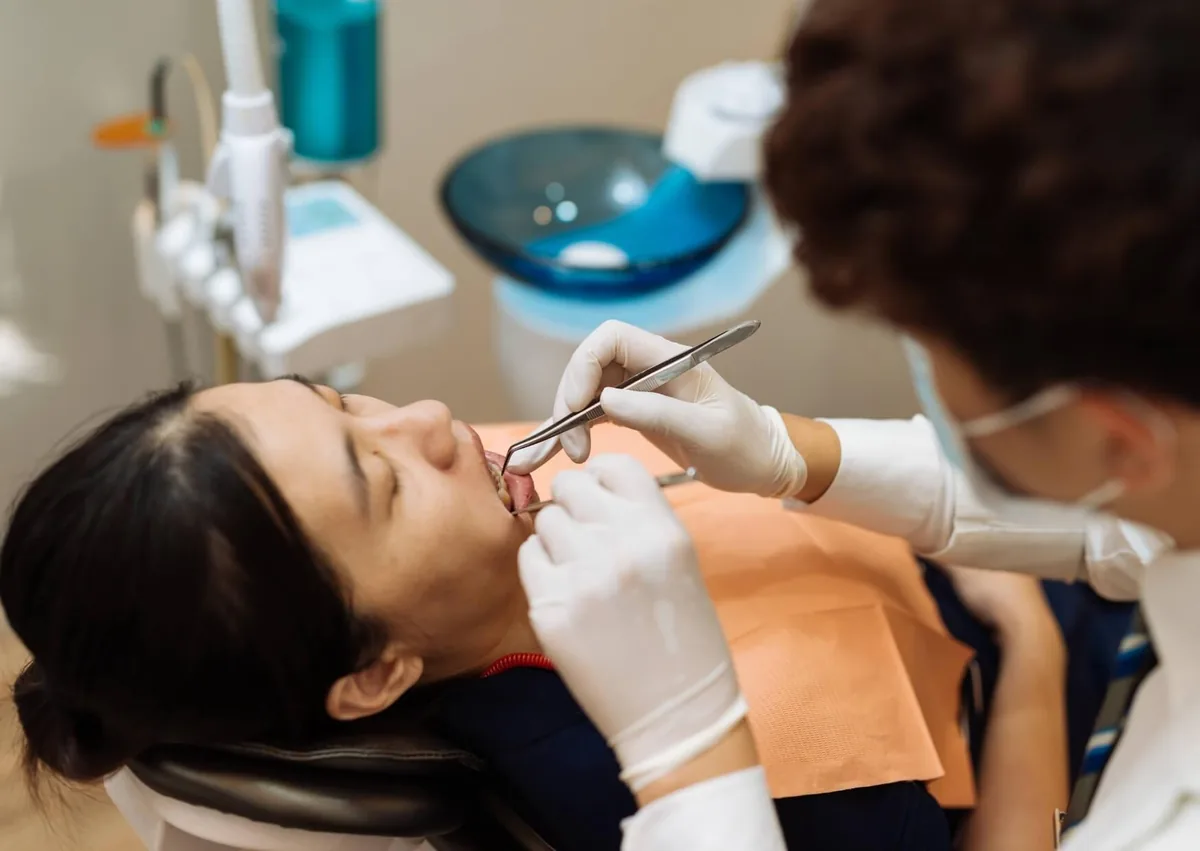
Arrange an evaluation if dry mouth lasts more than a couple of weeks, keeps coming back, disrupts sleep or eating, or comes with new cavities, mouth sores, burning, white patches, trouble swallowing, or swollen salivary glands.
If the cause is not clear, a medication review and medical assessment may also be appropriate.
Seek urgent medical care for trouble breathing, inability to swallow liquids, signs of severe dehydration such as confusion or fainting, or rapidly increasing swelling under the tongue, jaw, or neck.
Prompt care is also important for swelling with fever, severe pain, drooling, or trouble opening the mouth.
Persistent dry mouth is often manageable once the cause is identified. A dental exam can check for cavities, tissue changes, and saliva-related problems, while a primary care clinician may help investigate medication-related or systemic causes.
A dental exam is the next step for persistent dry mouth so a clinician can assess cavities, tissue changes, and saliva issues and plan targeted care. Call Winwood Dental for dental cleanings & comprehensive exams in Lebanon and Mount Juliet at (615) 434-8780 to schedule an appointment or book online.
Yes. Mild dehydration can temporarily reduce saliva and may improve after you drink fluids, but dryness that continues despite good hydration suggests another cause may be involved.
Nighttime dry mouth often happens with mouth breathing, nasal congestion, snoring, CPAP air leaks, medication effects, or naturally lower saliva flow during sleep. If you wake up with severe dryness often, talk with a dentist or physician.
Yes. Stress and anxiety can temporarily reduce saliva flow or lead to more mouth breathing, but repeated symptoms should not automatically be blamed on anxiety without considering other causes.
Not necessarily. Diabetes can contribute to dry mouth, especially when blood sugar is elevated, but medications, dehydration, and mouth breathing are also common causes. Seek medical evaluation if dry mouth happens along with increased thirst, frequent urination, unexplained weight loss, or unusual fatigue.
Water can ease symptoms and correct dehydration, but it does not always restore normal saliva production. If dryness continues, an evaluation can help identify the cause and show how to better protect your mouth.