Full mouth dental implants typically cost about $20,000 to $50,000 per arch in the United States. Because full mouth treatment often means replacing teeth in both the upper and lower arches, the total cost is often about $40,000 to $100,000 or more, especially in complex cases that may involve full mouth reconstruction.
That range is only a general estimate, not a personal quote. The final cost depends on the type of restoration, number of implants, bone condition, preparatory treatment, materials, and what is included in the treatment plan.
If you're trying to understand whether the price of replacing most or all teeth is worth it, learning about dental implants can make the options easier to compare. Winwood Dental in Lebanon, TN explains implant choices, treatment timelines, and realistic cost of dental implants so you can make a more confident decision.
Full mouth implant treatment replaces most or all teeth with prosthetic teeth supported by implants placed in the jawbone. It usually does not mean one implant for every missing tooth.
A fixed full-arch bridge often uses four to six or more implants per arch. An All-on-4 implants approach uses four implants to support a full arch in selected cases.
Some patients choose an implant-supported removable denture, which may use fewer implants and can be taken out for cleaning. Others may need more individual implants and bridges, which can raise the total cost.
Treatment commonly includes the exam, digital imaging, surgical planning, implant placement, temporary teeth, follow-up visits, and the final prosthesis. Because quotes vary, it is important to confirm exactly what the fee covers.
The type of replacement teeth is one of the biggest cost factors. Fixed zirconia or other high-strength restorations usually cost more than removable implant overdentures or acrylic-based options.
Other factors that may affect price include:
Some patients have enough healthy bone for straightforward implant placement. Others have bone loss from missing teeth, gum disease, or infection, and may need grafting before implants can be placed securely.
A fixed full-arch bridge stays in the mouth and is removed only by a dental professional. Many patients like the stability and natural feel, but the area underneath still needs careful daily cleaning.
An implant-supported overdenture attaches to implants but can be removed at home. It is often less expensive than a fixed bridge and may be easier to clean and repair, though the attachments can wear over time.
Traditional dentures usually have the lowest upfront cost because they do not use implants. However, they may shift during eating, offer less chewing strength, and do not help stimulate the jawbone the way implants can.
Dental insurance may help cover parts of treatment, such as extractions, dentures, or portions of the restoration. Many plans still limit or exclude implant coverage, so out-of-pocket costs can remain high.
Medical insurance may sometimes help when tooth loss is related to trauma, tumors, or another covered medical condition. Routine tooth replacement is often excluded, so patients should verify benefits directly with the insurer.
Ask for an itemized written estimate that lists imaging, surgery, grafting, temporary teeth, final teeth, sedation, follow-up care, and possible repairs. If financing is available, compare the annual percentage rate, repayment term, fees, and total repayment amount, not just the monthly payment.
Full mouth implant treatment often takes several months. The timeline is longer when extractions, bone grafting, or healing periods are needed before the final teeth can be placed.
Some patients can receive temporary teeth on the same day as implant surgery. In most cases, though, those are provisional teeth rather than the final restoration.
Implants need time to bond with the jawbone through osseointegration. During conventional loading, patients may need a softer diet and should follow instructions carefully to avoid putting too much force on healing implants.
Implants cannot get cavities, but the surrounding gum and bone tissue can still become inflamed or infected. Good home care, regular maintenance visits, tobacco avoidance, and control of conditions such as diabetes all help support long-term results.
A lower advertised fee may only apply to one arch, a temporary prosthesis, or a basic restoration. Before comparing quotes, make sure each plan includes the same type of treatment, materials, number of implants, and follow-up care.
It also helps to ask who will perform the surgery and restorative work, what happens if complications occur, and what maintenance the prosthesis will need. A second opinion can be useful if recommendations differ widely or the plan is hard to understand.
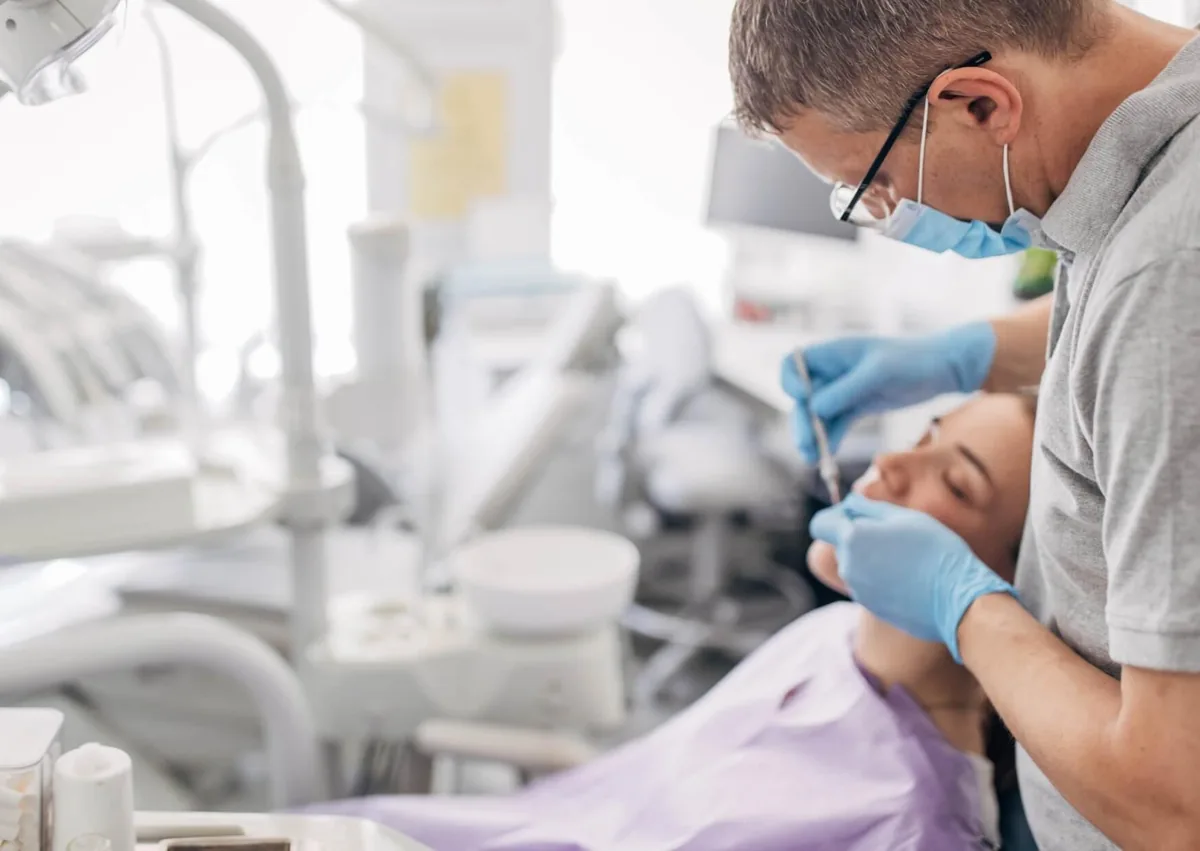
Schedule an evaluation if extensive decay, loose teeth, advanced gum disease, failing dental work, or trouble eating has led you to consider full mouth replacement. In some cases, dental implants may be a good option, but saving healthy natural teeth may still be the better choice.
After implant surgery, contact the treating dentist promptly for worsening swelling, persistent bleeding, fever, pus, severe pain, a loose implant or prosthesis, or numbness that does not improve as expected.
Seek urgent medical care for trouble breathing or swallowing, rapidly spreading swelling of the face or neck, or uncontrolled bleeding.
A comprehensive exam can show whether implants or another restorative option makes the most sense. It also provides the detail needed for a realistic timeline and a complete cost estimate.
Get a comprehensive exam and an itemized treatment and cost estimate so you can compare implants with other restorative options. Call Winwood Dental for dental implants in Lebanon and Mount Juliet at (615) 434-8780 to book an appointment.
Not always. Some advertised prices apply only to the upper or lower arch, so ask whether the estimate covers one arch or the full mouth and whether it includes both temporary and final teeth.
Original Medicare generally doesn't cover routine dental implants. Some Medicare Advantage plans may offer limited dental benefits, but coverage, annual limits, networks, and exclusions vary.
The number depends on bone quality, anatomy, bite forces, and the type of prosthesis. Fixed full-arch bridges often use four to six or more implants per arch, while removable options may use fewer.
Implants can last many years with healthy bone, good cleaning habits, and regular maintenance. The attached teeth, screws, clips, or other parts may wear out or need repair before the implants themselves do.
Implants and temporary teeth can sometimes be placed in one visit. Healing and fabrication of the final restoration still usually take several months, and immediate temporary teeth are not appropriate for every patient.