
After wisdom teeth removal, eat cool or lukewarm soft foods that are easy to swallow, such as yogurt, applesauce, pudding, mashed potatoes, and blended soup. Avoid straws, crunchy or chewy foods, seeds, and very hot, spicy, acidic, or alcoholic drinks while the extraction sites heal, and follow your oral surgery team's instructions if they differ from general advice.
If you're recovering from wisdom tooth removal and unsure about aftercare steps, a tooth extraction specialist can clarify typical healing expectations and when to seek help. Winwood Dental in Lebanon, TN offers focused post-extraction guidance and practical recovery tips to support comfortable healing.
During the first 24 hours, choose foods that need little or no chewing. Good options include applesauce, mashed banana, smooth yogurt, pudding, gelatin, cottage cheese, lukewarm broth, and blended soup.
Smoothies can help with calories and hydration, but eat them with a spoon instead of using a straw. Skip ingredients like berry seeds, nuts, granola, or other small pieces that could get trapped in the sockets.
If you feel nauseated after anesthesia or sedation, start with small amounts and eat slowly. If you received sedation and have questions about activity limits, see our article on after a root canal. If your mouth is still numb, wait to chew until normal feeling returns so you do not bite your cheek, lip, or tongue.
Most people can add more texture as soreness and jaw stiffness improve. The pace depends on how many teeth were removed, how difficult the extractions were, and what your treating clinician recommends.
|
Recovery Stage |
Foods to Consider |
Foods to Avoid |
|---|---|---|
|
First 24 hours |
Yogurt, applesauce, pudding, smooth soup, mashed banana |
Hot foods, crunchy foods, alcohol, straws |
|
Days 2 to 3 |
Mashed potatoes, scrambled eggs, oatmeal, soft pasta, pureed vegetables |
Chips, crusty bread, spicy foods, seeds |
|
Days 4 to 7 |
Flaky fish, soft rice, tender cooked vegetables, finely chopped meat |
Nuts, popcorn, tough meat, sticky candy |
|
After about 1 week |
Gradual return to a normal diet as comfortable |
Foods that cause pain or enter the sockets |
This timeline is a general guide, not a strict deadline. If chewing causes pain or bleeding, go back to softer foods and contact the dental office if the problem continues or gets worse.
Avoid hard, sharp, crunchy, sticky, or chewy foods such as chips, popcorn, nuts, pretzels, hard candy, tough meat, and gum. Seeds, granola, and other small particles can collect in the healing sockets and may be hard to remove safely.
Very hot foods and drinks can irritate the area or restart bleeding. Spicy and acidic items, including hot sauce and citrus juice, may sting healing tissue, and alcohol can interfere with healing or prescribed medicines.
Do not use a straw during early healing unless your oral surgeon says it is safe. Suction can dislodge the blood clot that protects the socket and raise the risk of dry socket, a painful complication that happens when the clot is lost too soon.
Take small bites and chew away from the extraction sites when possible. Choose foods that are cool or lukewarm, and avoid letting utensils touch or poke the sockets.
Good nutrition supports healing, so include soft sources of protein and energy like eggs, Greek yogurt, cottage cheese, smooth nut butter if tolerated, or blended beans. Drink water from a cup to stay hydrated, and avoid forceful swishing or spitting during the first 24 hours.
After the first day, gentle saltwater rinsing may help keep the area cleaner, especially after meals. Follow your surgeon's directions, and do not try to remove food from a socket with fingers, toothpicks, or other objects.
Swelling, mild bleeding or oozing, jaw stiffness, and tenderness are common during the first few days. Swelling often peaks around day two or three and then gradually starts to improve.
Mild discomfort can happen as you add more texture to your diet, but the overall pattern should be steady improvement. Keep brushing the other teeth carefully while avoiding direct contact with the extraction sites, based on your dental team's instructions.
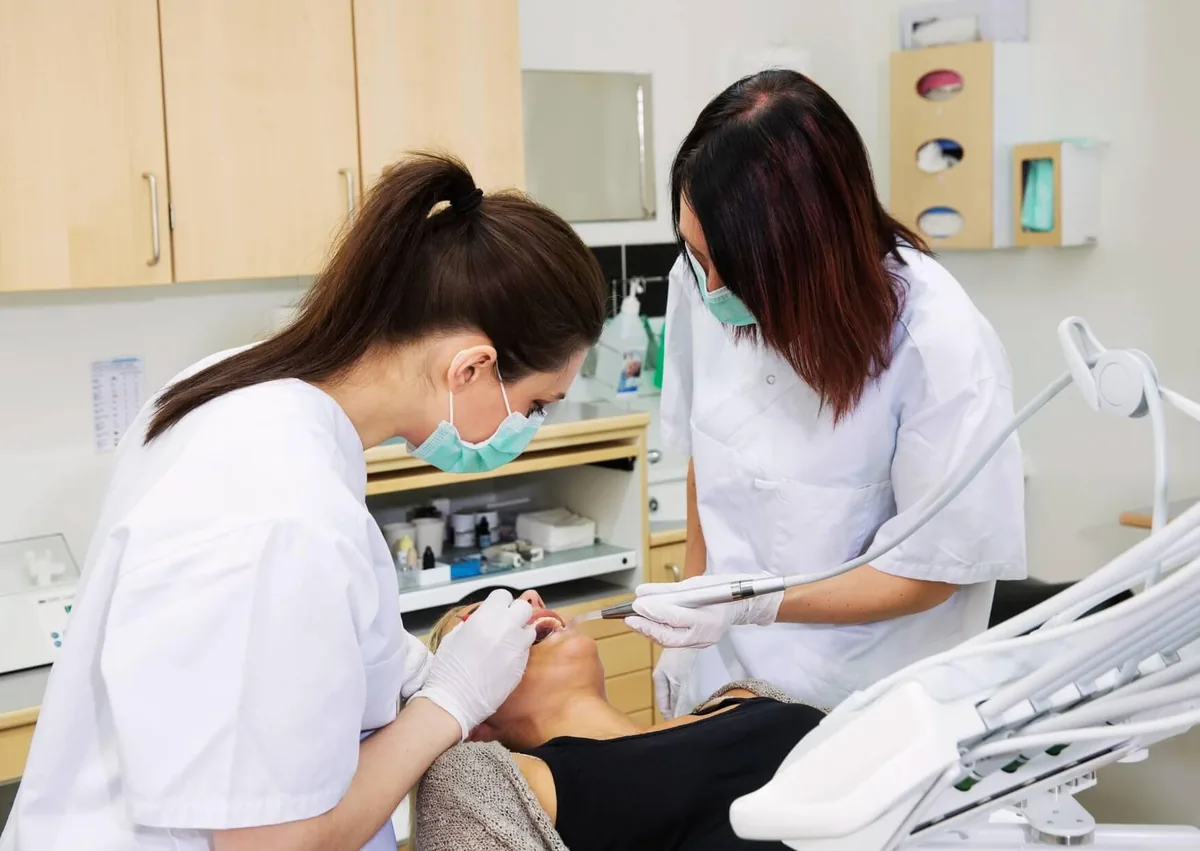
Contact the oral surgeon or dentist if pain or swelling is severe, getting worse, or not improving as expected. If symptoms feel urgent, contact emergency dentistry or your treating clinician for prompt evaluation.
Pain that becomes stronger several days after surgery, especially if it spreads toward the ear or comes with a bad taste or odor, may suggest dry socket or another complication. Persistent bleeding, pus, fever, increasing facial swelling, repeated vomiting, trouble keeping fluids down, or numbness that lasts longer than expected also deserve prompt attention.
Seek emergency care right away for trouble breathing or swallowing, rapidly spreading swelling, or uncontrolled bleeding. If your procedure was a tooth extraction, contact the treating dental team whenever symptoms are unclear or your personal postoperative instructions differ from general guidance.
If you have severe pain, uncontrolled bleeding, or concerns about healing, seek prompt evaluation through our tooth extraction team to reduce complication risk. Winwood Dental's tooth extraction care in Lebanon, TN, serving Gladeville and Watertown, is ready to help; call (615) 434-8780 or schedule an appointment.
Yes, plain soft ice cream may feel soothing if cold foods do not increase sensitivity. Avoid cones, nuts, candy pieces, and other hard mix-ins, and consider plain yogurt if you want a lower-sugar option.
Many people can start adding soft solids within a few days and move toward a regular diet after about a week. Progress depends on pain, swelling, jaw movement, and how complex the extraction was, so do not force chewing.
Soft rice may be manageable after the first few days, but individual grains can slip into the sockets. Wait until tenderness improves, chew carefully, and rinse gently after eating if your dental team has approved rinsing.
Avoid very hot coffee during early healing because heat can irritate the area or trigger bleeding. Once bleeding has stopped, lukewarm coffee may be acceptable if you drink it from a cup and it does not conflict with your postoperative instructions.
Recommendations vary, but straws are often restricted during the early healing period because suction can disturb the blood clot. Follow your oral surgeon's timeline, especially after a difficult extraction or if healing has been slower than expected.