
Most dental implants last 20 years or longer, and many can last for life with healthy gums, strong bone support, good home care, and regular dental visits. The visible crown attached to the implant, often a dental crown, usually does not last as long and may need replacement after about 10 to 15 years.
A dental implant is not just one piece. Its lifespan depends on the implant fixture in the jawbone, the abutment that connects the parts, the crown you see above the gumline, and the health of the surrounding bone and gum tissue.
If you're weighing whether an implant will last or need replacement, learning about treatment options and realistic expectations can help you decide. Winwood Dental in Lebanon, TN offers experienced implant care and clear guidance to help you understand longevity and restorative choices.
The implant fixture is usually made of titanium or another biocompatible material. Once it bonds with the jawbone through osseointegration, it can provide a stable foundation for decades.
The crown handles daily chewing pressure, so it is more likely to wear down, chip, or loosen over time. If the crown needs replacement, that does not automatically mean the implant itself has failed.
|
Implant Part |
Typical Expectation |
Why Replacement May Be Needed |
|---|---|---|
|
Implant fixture |
Often 20 years or longer |
Bone loss, infection, failed integration, or fracture |
|
Abutment |
Often many years |
Loosening, wear, or fracture |
|
Crown |
Commonly about 10 to 15 years |
Wear, chipping, fracture, or appearance changes |
These are general ranges, not guarantees. Bite force, implant location, medical conditions, oral hygiene, and restoration materials can all affect lifespan.
Healthy gums and enough jawbone support are essential for long-term success. Plaque buildup around an implant can lead to peri-implant mucositis, which may progress to peri-implantitis and damage the supporting bone if it is not treated.
Smoking and poorly controlled diabetes can interfere with healing and raise the risk of implant complications. A history of gum disease, inconsistent home care, and missed maintenance visits can also shorten how long an implant lasts.
Teeth grinding and clenching can place too much force on the crown, abutment, or implant. If needed, a dentist may recommend a custom night guard to reduce stress on the restoration.
Treatment planning also matters. Good implant positioning, enough bone, a balanced bite, and a restoration that is easy to clean all support better long-term results.
A healthy implant should not move. Movement, worsening pain, swelling, drainage, persistent bleeding, or a bad taste can point to infection, bone loss, or a loose component.
A chipped crown, a bite that suddenly feels different, or food trapping around the implant should also be checked. In some cases, the problem is limited to the crown or abutment and can be fixed without removing the implant fixture.
Some soreness is normal after implant placement or related procedures. Pain or swelling that does not improve, comes back, or gets worse should be evaluated.
Brush twice a day with a soft-bristled toothbrush and clean around the implant every day. Floss, interdental brushes, or a water flosser may help, but your dental team should show you what works best around your restoration.
Keep regular dental cleanings & exams and implant maintenance visits. These visits let your dentist check the bite, monitor gum health, remove buildup, and use X-rays when needed to evaluate the supporting bone.
Avoid chewing ice or using the crown to crack hard objects. If smoking, dry mouth, diabetes, or grinding is a factor, managing it can help reduce avoidable wear and complications.
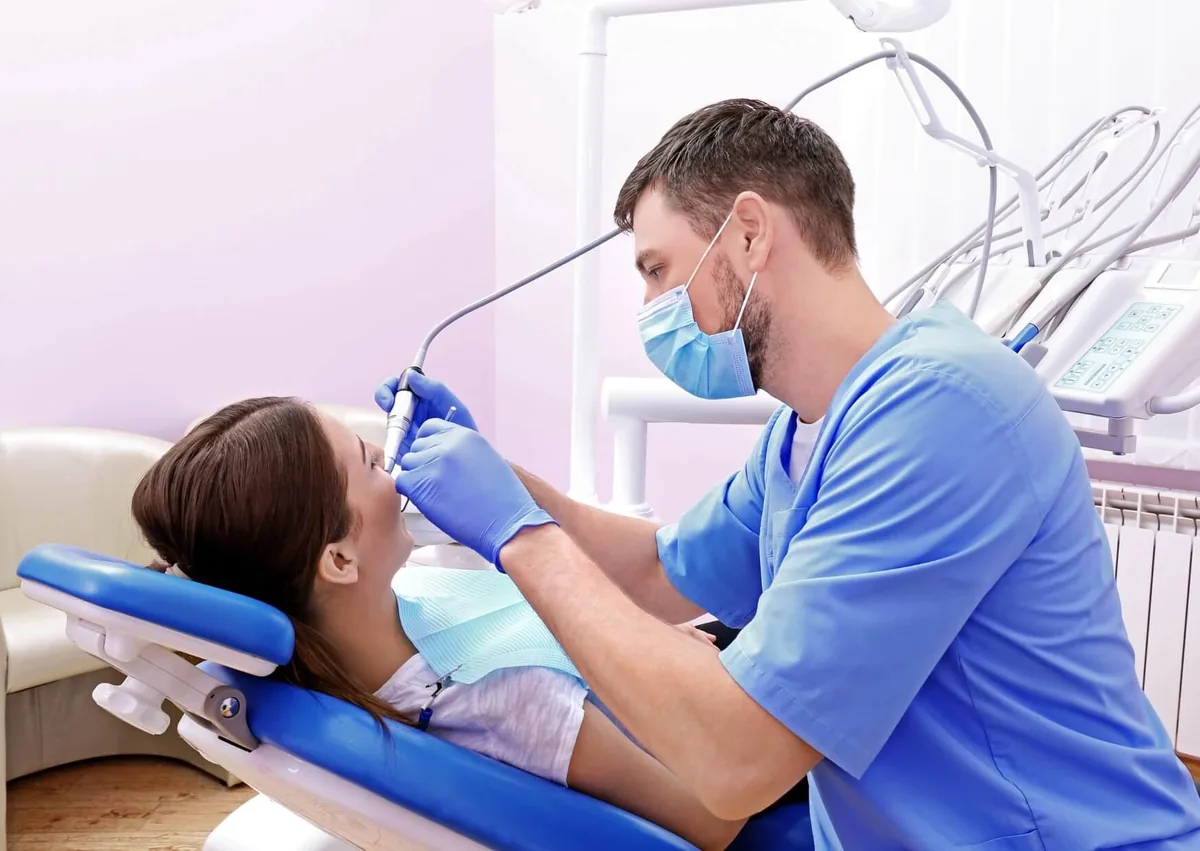
Contact a dentist promptly if the implant feels loose, the crown moves, pain is getting worse, or the gums are swollen or draining. Early treatment may help preserve the implant and protect the surrounding bone.
Seek urgent care for rapidly increasing facial swelling, fever with dental swelling, trouble swallowing or breathing, uncontrolled bleeding, or swelling near the eye. These symptoms may signal a spreading infection or another serious problem, and emergency dentistry may be needed.
Even without pain, an implant should be checked if cleaning becomes harder or your bite feels off. A dental exam is the only reliable way to tell whether the implant, crown, abutment, or surrounding tissue needs treatment.
If you have a loose crown, persistent pain, or signs of infection, early professional assessment can often preserve your implant and make treatment simpler. Contact Winwood Dental for dental implants care in Lebanon, TN and nearby Gladeville or Watertown; call (615) 434-8780 or book an appointment.
Yes, an implant fixture can last a lifetime in some patients, but that is not guaranteed. Oral hygiene, gum and bone health, bite force, tobacco use, medical conditions, and regular professional care all affect the outcome.
Not always. If the implant is stable and the surrounding bone is healthy, a dentist may only need to repair or replace the crown or abutment.
The implant and crown cannot get cavities like natural teeth. However, plaque can still irritate the gums and contribute to bone loss, so daily cleaning is still essential.
Implants should be checked during routine dental visits, but the right schedule depends on your risk factors. People with prior gum disease, smoking exposure, heavy plaque buildup, bone loss, or poorly controlled diabetes may need closer monitoring.
A loose crown or implant needs prompt dental evaluation, even if it does not hurt. If it is also causing major swelling, fever, drainage, trouble swallowing, or trouble breathing, seek urgent care.